A Guide to The Colorado National Monument
The Grand Valley’s towering canyonland masterpiece
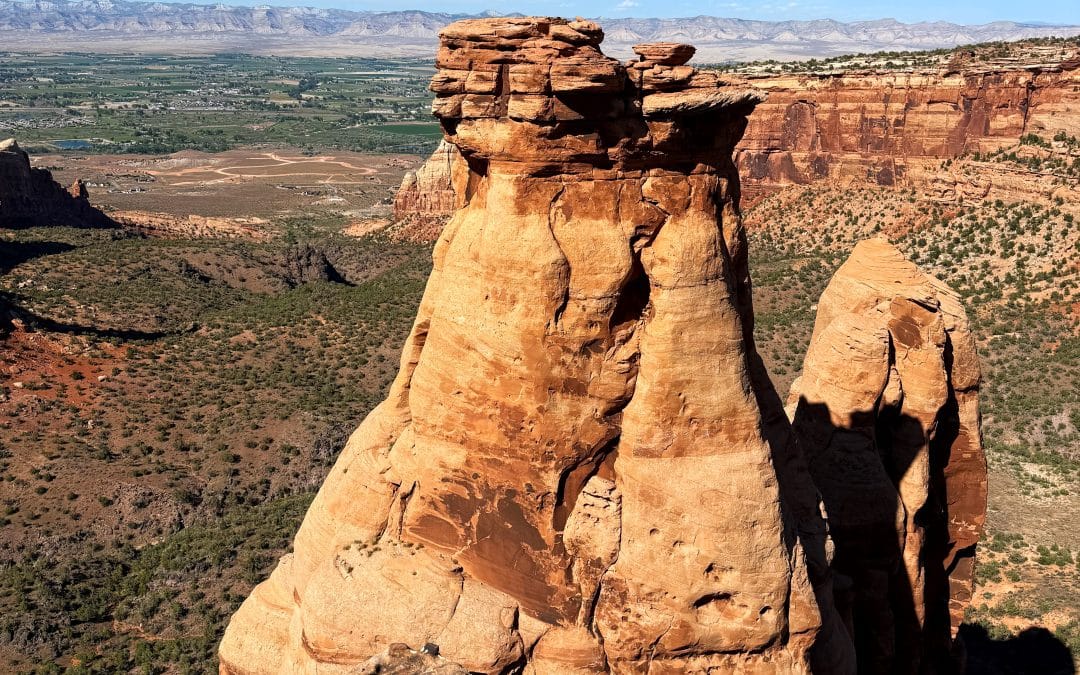
Just minutes from downtown Grand Junction, the dramatic red rock landscape of the Colorado National Monument rises above the valley floor like something from another planet. Massive sandstone monoliths, sheer canyon walls, winding roads carved into cliffsides, and sweeping desert views make it one of the most underrated natural wonders in the American West.
While many travelers rush toward Utah’s famous national parks, locals know Colorado National Monument quietly offers some of the same jaw-dropping canyon scenery — without the overwhelming crowds.
A Landscape Built Over Millions of Years
Colorado National Monument protects more than 20,000 acres of high desert canyon country on the edge of the Colorado Plateau. The monument was established in 1911 after local visionary John Otto tirelessly promoted the area’s beauty and worked to build many of the original trails himself.
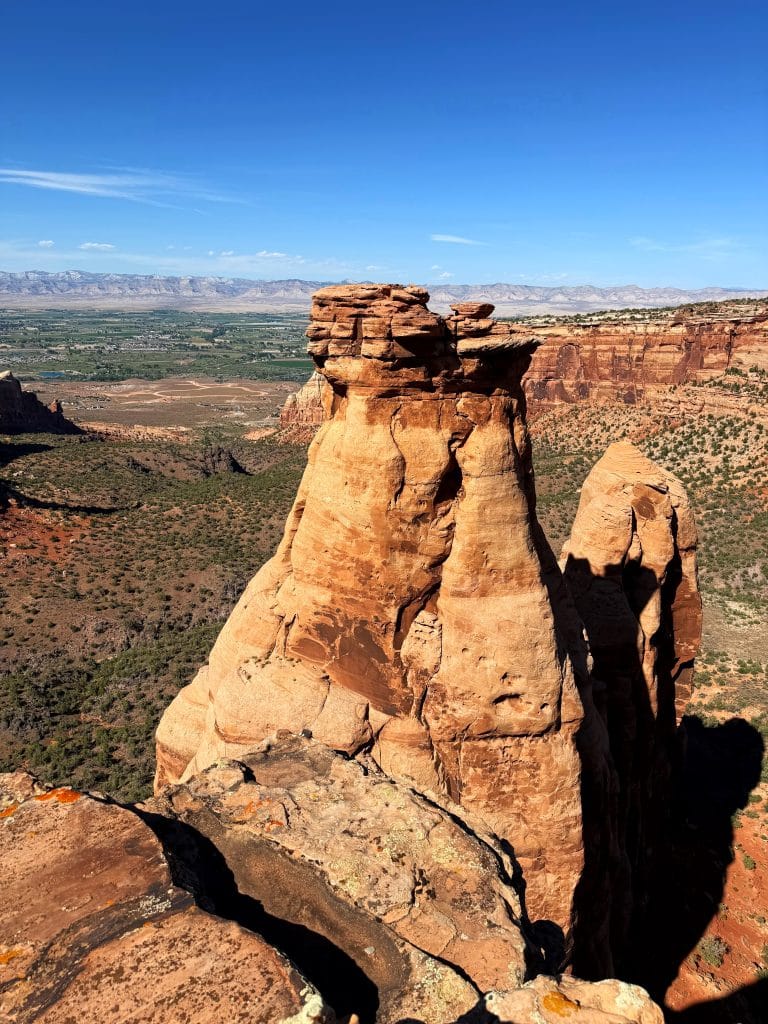
The monument’s famous red rock towers were formed through millions of years of uplift, erosion, and weathering. Layers of sandstone slowly cracked apart and were sculpted into dramatic formations that now define the skyline.
One of the most recognizable landmarks is Independence Monument. Rising hundreds of feet above the canyon floor, it has become an icon of western Colorado. Every Fourth of July, climbers scale the monument to place an American flag on top, continuing a tradition that dates back generations.
Rim Rock Drive: One of America’s Most Scenic Roads
The heart of the monument is the legendary Rim Rock Drive, a winding 23-mile scenic road connecting Grand Junction and Fruita. The drive twists along canyon edges and through towering cliffs with overlook after overlook revealing new perspectives of the landscape.
Some of the most popular stops include:
- Independence Monument View
- Grand View
- Coke Ovens
- Red Canyon Overlook
- Fallen Rock
- Artist Point
Each viewpoint offers a completely different angle of the monument’s rugged terrain. Sunrise and sunset are especially stunning, when the red sandstone glows deep orange against the blue Colorado sky.
Wildlife and Desert Life
Despite the harsh conditions, the monument is full of life.
Several classic high desert species and plants that thrive here:
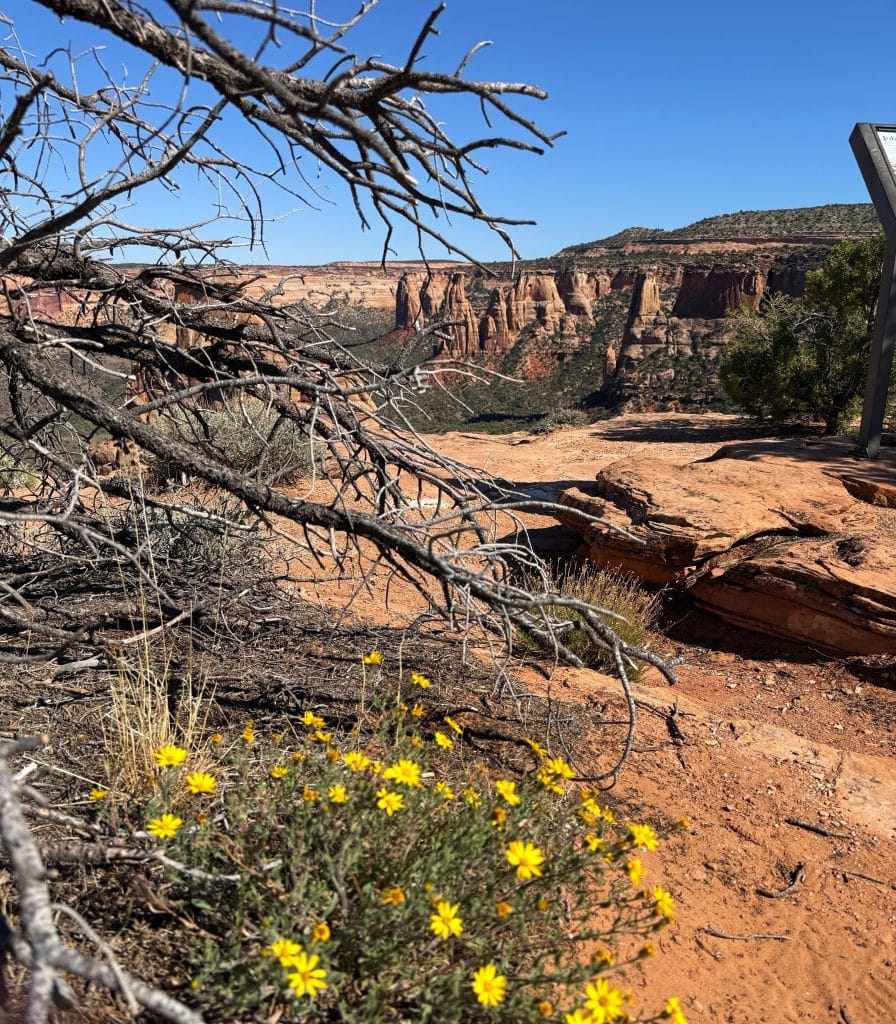
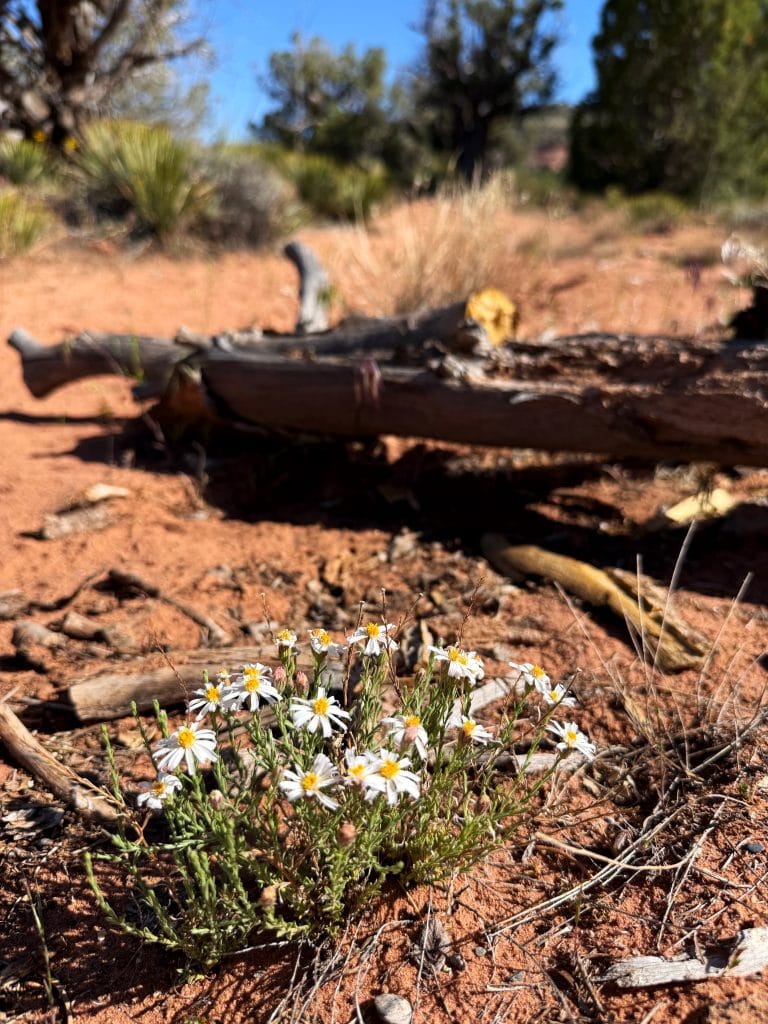
- Desert wildflowers blooming from rocky soil
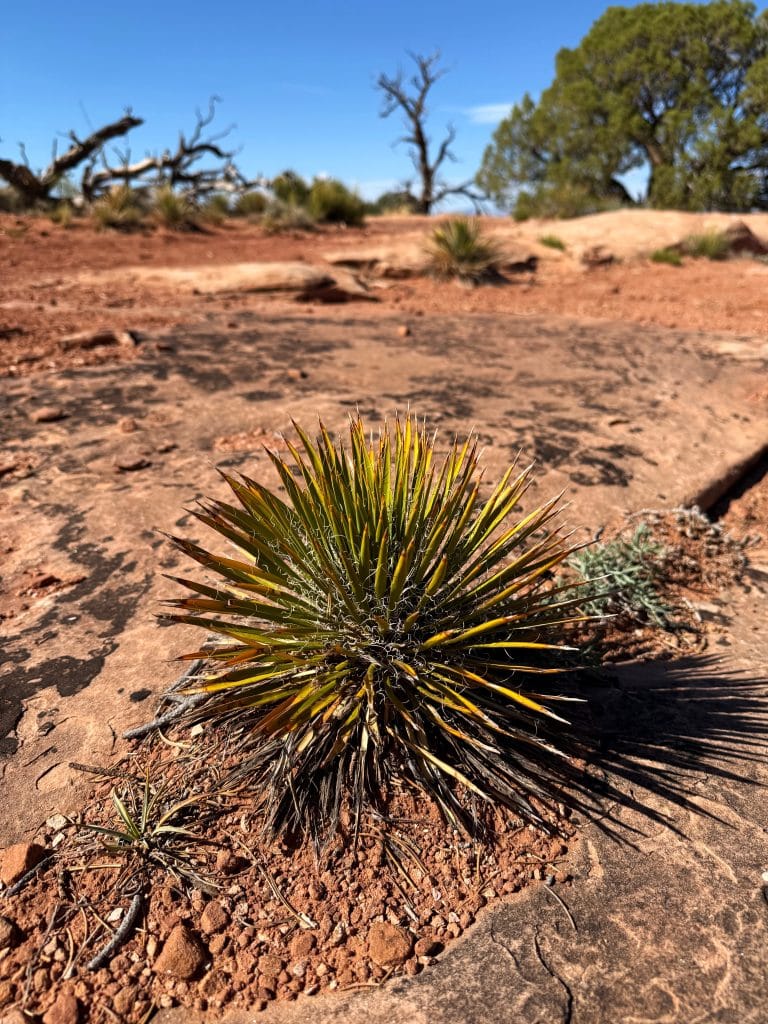
- Yucca plants adapted to dry climates
- Juniper and pinyon pine trees
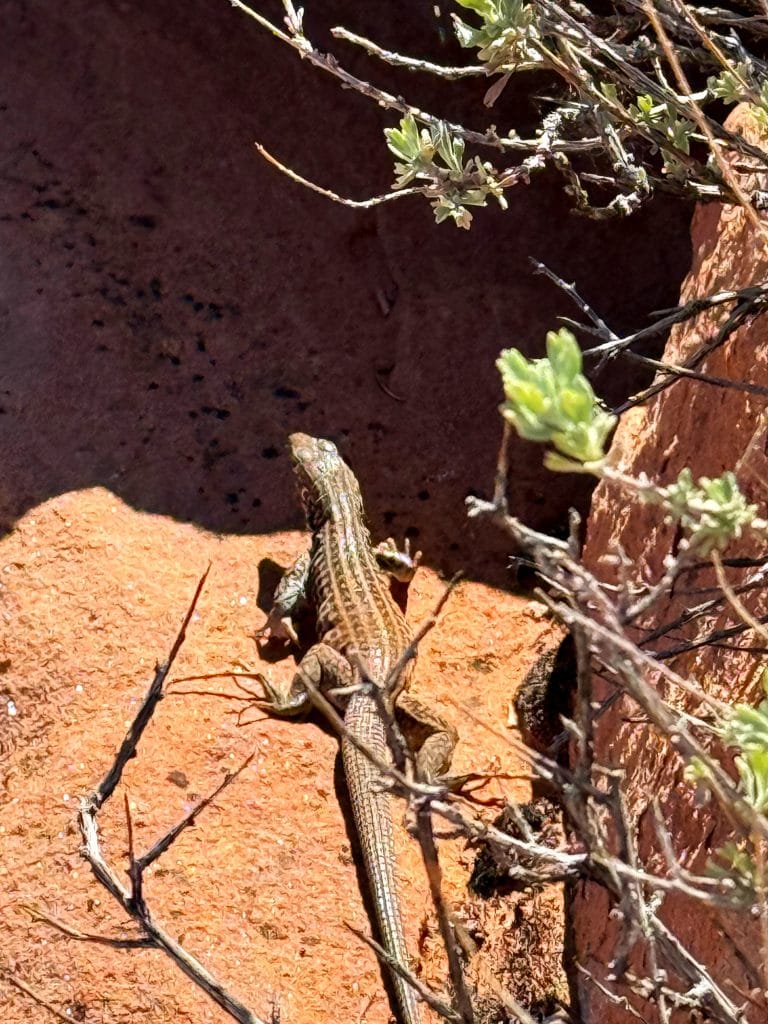
- Desert lizards basking on sun-warmed stone
Visitors may also spot:
- Desert bighorn sheep
- Golden eagles
- Ravens
- Mule deer
- Coyotes
Spring is one of the best times to visit because the desert begins to bloom with color while temperatures remain comfortable for hiking.
Hiking the Monument
Colorado National Monument offers trails for every experience level — from short scenic walks to challenging canyon hikes.
Popular hikes include:
- Canyon Rim Trail
- Otto’s Trail
- Serpents Trail
- Devil’s Kitchen
- Monument Canyon Trail
The monument’s trail system allows visitors to experience both the rim views above and the hidden canyon world below.
Even short hikes often lead to incredible overlooks, narrow rock corridors, and quiet places where the only sounds are wind and birds overhead.
A Local Treasure
For people living in the Grand Valley, Colorado National Monument is more than a tourist destination — it’s part of daily life. The monument forms the dramatic backdrop to the region and is one of the first things visitors notice when arriving in Grand Junction.
It’s a place where locals go to:
- Watch sunsets
- Take scenic drives
- Hike after work
- Photograph wildflowers
- Spot wildlife
- Escape into nature only minutes from town
Whether you’re seeing it for the first time or the hundredth, the monument has a way of making the landscape feel enormous and timeless.
Tips for Visiting
- Bring plenty of water — the high desert gets hot quickly
- Visit early morning or evening for cooler temperatures and better lighting
- Stop at multiple overlooks; each one feels unique
- Spring and fall usually offer the best weather
- Keep an eye out for wildlife near roads and trails
- Don’t underestimate the elevation or sun exposure
Why Colorado National Monument Deserves More Attention
Colorado National Monument often lives in the shadow of larger national parks nearby, but many visitors leave surprised that a place this spectacular isn’t more famous.
The combination of towering red rock formations, accessible scenic drives, desert ecology, and proximity to Grand Junction makes it one of Colorado’s greatest hidden gems.
And for photographers, gardeners, hikers, and nature lovers alike, it offers endless inspiration — from tiny desert blooms growing through sandstone cracks to monumental canyon views stretching for miles across western Colorado.