The History of Grand Junction, Colorado
Nestled between towering red rock cliffs, fertile orchards, and the winding Colorado River, Grand Junction has grown from a rugged frontier settlement into the cultural and economic hub of western Colorado.
Today, the city is known for its outdoor recreation, wineries, agriculture, local businesses, and dramatic landscapes. But long before Grand Junction became the largest city on Colorado’s Western Slope, the region was home to ancient civilizations, explorers, railroad workers, farmers, and pioneers who helped shape the community that exists today.
Ancient History of the Grand Valley
Thousands of years before Grand Junction existed, Indigenous peoples lived throughout the canyon country and river valleys of western Colorado.
Evidence of the ancient Ancestral Puebloans can still be found throughout the region in the form of:
• Petroglyphs
• Cliff dwellings
• Pottery fragments
• Ancient granaries
Later, the area became home to the Ute Tribe, who lived across much of western Colorado and Utah. The Ute people hunted, traveled, and camped throughout the Grand Valley for generations before European settlement arrived.
The valley’s rivers, mild climate, and fertile soil made it an ideal location for both seasonal movement and long-term habitation.
How Grand Junction Got Its Name
Grand Junction was officially founded in 1881 by settler George Crawford, often referred to as the “Father of Grand Junction.”
The name “Grand Junction” came from the meeting — or junction — of two major rivers:
• the Colorado River
• and the Gunnison River
At the time, the Colorado River was actually called the Grand River, which is where the city’s name originated.
Crawford envisioned the area becoming an agricultural and transportation center for western Colorado. He aggressively promoted the valley’s farming potential and helped organize irrigation projects that transformed the dry desert landscape into productive farmland.

Railroads Changed Everything
One of the biggest turning points in Grand Junction’s history came with the arrival of the railroad.
In the 1880s, the Denver and Rio Grande Western Railroad expanded westward, connecting Grand Junction to the rest of Colorado and beyond.
The railroad brought:
• New settlers
• Supplies and commerce
• Tourism
• Agricultural growth
• Economic opportunity
Grand Junction quickly became a major transportation and trade hub on the Western Slope.
Rail access allowed local farmers to ship fruit, livestock, and produce across the country, helping establish the Grand Valley as one of Colorado’s most important agricultural regions.
Orchards, Agriculture, and the Grand Valley
(Cross Orchards Pictured)
One of the defining features of Grand Junction’s history is agriculture.
Thanks to irrigation systems built in the late 1800s and early 1900s, the Grand Valley became famous for:
• Peaches
• Cherries
• Apples
• Pears
• Wine grapes
Nearby Palisade eventually became internationally recognized for its peaches and vineyards, while Grand Junction developed into the commercial center supporting the region.
The combination of warm summers, cool nights, and mineral-rich soil created ideal growing conditions that still define the valley today.
Agriculture remains deeply tied to the identity of the area, influencing local festivals, farmers markets, restaurants, breweries, and wineries.
The Creation of Colorado National Monument
In the early 1900s, local conservationist John Otto fought to protect the massive red rock canyonlands just outside the city.
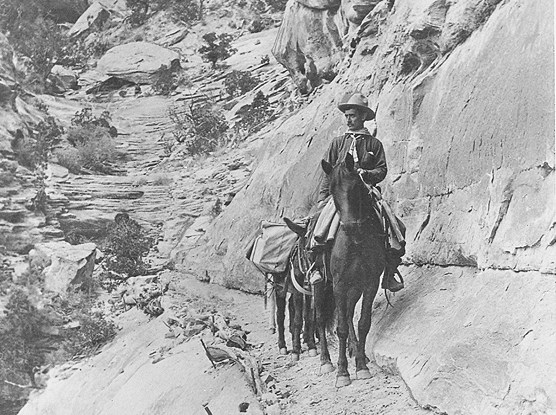
His efforts eventually led to the creation of Colorado National Monument in 1911.
Otto personally built many of the early trails and promoted the monument as a natural wonder worthy of national recognition.
The monument became one of the defining landmarks of the region and helped shape Grand Junction’s identity as an outdoor recreation destination.
Today, the towering sandstone formations overlooking the city remain one of western Colorado’s most iconic landscapes.
Uranium and the Atomic Era
Grand Junction played an unexpected role during the Cold War and America’s atomic boom.
During the mid-1900s, western Colorado became heavily involved in uranium mining. Grand Junction emerged as a major center for uranium processing and nuclear-related activity.
The federal government even established operations in the area connected to uranium purchasing and development during the early atomic era.
This period brought rapid economic growth, but it also left behind environmental and health concerns that the region spent decades addressing.
Modern Grand Junction
Over the years, Grand Junction evolved from a frontier railroad town into the largest city on Colorado’s Western Slope.
Today the city is known for:
• Outdoor recreation
• Mountain biking
• Hiking
• River sports
• Wineries and breweries
• Local art and music
• Healthcare and education
• Tourism
The city also serves as a gateway to nearby destinations including:
• Colorado National Monument
• Grand Mesa
• Rattlesnake Arches
• Dominguez-Escalante National Conservation Area
In recent years, Grand Junction has experienced renewed growth as more people discover western Colorado’s combination of natural beauty, relatively mild climate, and outdoor lifestyle.
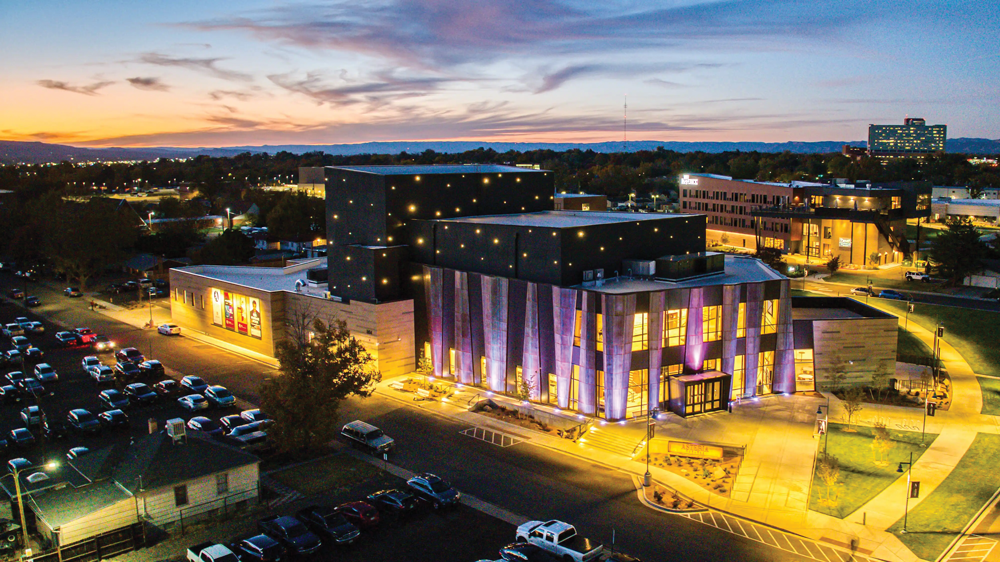
A City Shaped by Landscape
What makes Grand Junction unique is how closely its identity is tied to the land surrounding it.
The city exists because of:
• The rivers that meet in the valley
• The irrigation systems that made farming possible
• The railroads that connected the frontier
• The red rock canyons that inspired preservation
• The orchards and vineyards that continue to thrive today
From ancient canyon dwellers to modern entrepreneurs, Grand Junction’s story has always been connected to the dramatic landscape of the Western Slope.
And as the city continues to grow, it still carries traces of every era that helped shape it — frontier town, railroad hub, agricultural center, uranium boomtown, and outdoor recreation destination all at once.